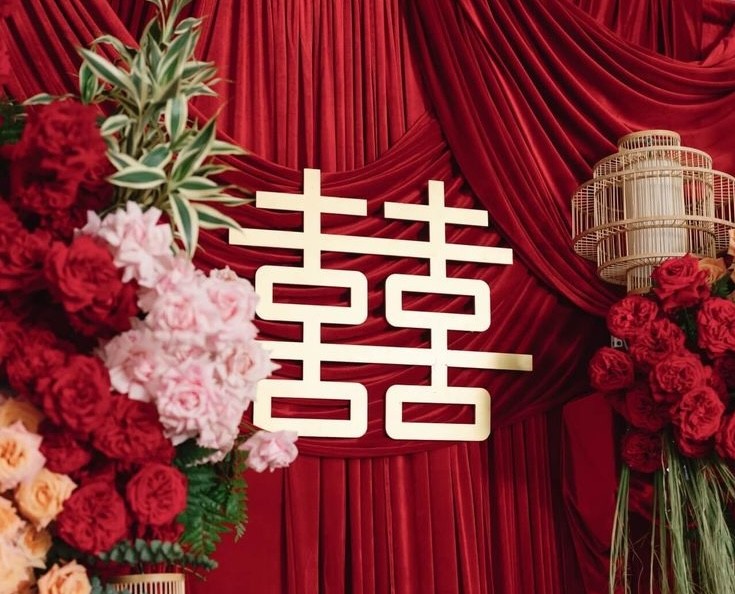
Tea Ceremony
Whats a Tea Ceremony
The tea ceremony ("敬茶") is one of the most meaningful traditions in a Chinese wedding. It is a moment for the couple to formally express gratitude to their parents, grandparents, and elders—honoring the families that raised them and welcoming each other into their respective families.
By serving tea, the couple offers their respect and gratitude to their elders. And by accepting the tea, the elders give their blessing to the soon-to-be newly weds. It is a quiet, intimate ritual.
For Ryan and Brandon's wedding, the tea ceremony will take place before the main celebration as a private gathering with close family.
Who is Invited
The tea ceremony is traditionally reserved for close family and elders — think parents, grandparents, aunts, uncles, and older relatives on both sides. It's an intimate affair by design, so if you've been invited, it means Ryan and Brandon want you close during one of the most meaningful moments of their day.
What to expect
The ceremony is simple and heartfelt. Here is roughly how it will flow:
The couple serves tea to elders in order of seniority — parents first, then grandparents and older relatives, followed by aunts, uncles, and siblings.
Each pair of elders is invited forward to sit across from the couple. The couple will offer tea (usually with both hands, as a sign of respect), and the elders will drink.
After drinking, elders offer blessings — words of wisdom, well-wishes, or simply a warm moment together. It is also customary to present the couple with their wedding gift (more on that below).
The mood is joyful, not solemn. Expect laughter, a few happy tears, and plenty of photos. There is no need to be nervous -- just enjoy the moment.
The whole ceremony typically lasts around 30-45 minutes.
Gifts and red envelopes
It is customary for elders to gift the couple a red envelope (lai see / hong bao) or a piece of jewelry after receiving tea. This is a meaningful blessing — think of it as the Chinese equivalent of a wedding gift, so no separate gift is needed.
A few helpful notes:
Red envelopes with cash or a check are the most common and straightforward option. There will be red envelopes provided.
Jewelry is also a lovely and traditional choice — gold bracelets, necklaces, or rings are common.
Not everyone gives a gift. If you are attending as a guest or observer rather than being called up for the tea-serving portion, no gift is expected. Your presence is the gift.
Dress Code
There is no need for a separate outfit! However, should you feel compelled for a outfit change, consider something in the traditional Chinese festive colors — red, gold, pink, purple. Warm tones are always great choices for a Chinese celebration. Just avoid anything entirely in white.
The Wedding of
Ryan Ma
&
Brandon Kurkela
May 30, 2026
TWA Flight Center · Queens, New York